
If you are 18 or over and have mental capacity, you can create a lasting power of attorney (an LPA), which can be used to deal with such situations.
An LPA will ensure that the people you appoint as your attorneys can care for your health and welfare needs and your financial obligations. In the event of a recovery, you can assume control of your affairs again without terminating the LPA.
You can even use a property and financial affairs LPA while you have mental capacity. For example, you could authorise your attorney to make some payments from your account while you are out of the country or to sign certain documents on your behalf.
What is an LPA?
LPAs were introduced by the Mental Capacity Act 2005 (the Act). An LPA is a legal document that allows an individual to appoint one or more persons to act as their agent (i.e., attorney) to help them make decisions on their behalf and in their best interests if they’re incapacitated.
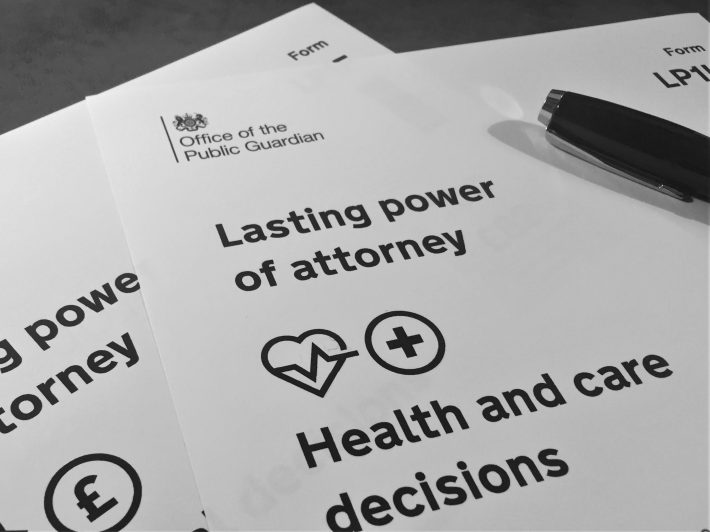
There are two types of LPA:
- a health and welfare LPA; and
- a property and financial affairs LPA.
You can appoint the same or different attorneys in each LPA.
If you lose mental capacity, your attorneys can only act under your health and welfare LPA. This type of LPA allows your attorneys to make decisions – yes, you guessed it – about your health and welfare, like whether you should stay in your own home or move into a care home, what medical treatment you should or shouldn’t have, and even down to what you eat, drink and wear.
Conversely, you can choose when your attorneys can act under a property and financial affairs LPA: either with your permission or only if you lose mental capacity. Various financial institutions recognise this type of LPA, allowing your attorneys to manage your bank accounts and investments and even sell your home. You do not need to have a lot of money to make this kind of LPA, and having it would allow your attorney to apply for any benefits you may be entitled to.
LPAs are invalid unless registered with the Office of the Public Guardian (the OPG).
Wouldn’t my family just take care of everything if something happened to me?
Your bank may not give your family access to your accounts if they have not been appointed as an attorney under a property and financial affairs LPA. This could mean they cannot meet your mortgage payments or any other financial obligations you might have. This could have a devastating impact on your family. In that situation, your next of kin must apply to the Court of Protection for a Deputyship order, a time-consuming and expensive process.
Regarding your health and welfare, while it is likely that doctors would discuss any treatment with your family, your family will not have a right to object to treatment. They can only do this if they have been appointed as an attorney. You cannot make an LPA if you no longer have mental capacity. Again, your family must apply to the Court of Protection for a Deputyship Order.
Can I create just one LPA?
Yes. The two LPAs are independent of one another. If you have appointed someone as an attorney for your health and welfare decisions, they will not automatically be entitled to manage your finances. It can be useful to have both LPAs as the attorneys can work together and utilise your finances to provide you with the best care.
How can I change my attorneys?
Once an LPA is created, you can only make a few changes to it. One of the permitted changes includes removing an attorney. However, if you wish to replace an attorney, you must revoke your LPA and create a new one. You will have to pay the registration fee(s) again.
Can I make my LPA without a solicitor?
While creating an LPA without a solicitor is cheaper, you will benefit from taking legal advice before creating such a powerful document giving people the right to make decisions on your behalf.
By obtaining legal advice, you can better understand the decisions an attorney can make on your behalf and ensure that your attorneys understand that they must follow the principles set out in the Act. This can ensure that your attorneys are not misusing their powers.
Further, your solicitor can ensure that any instructions and preferences included in your LPA are acceptable to the OPG. One of the main reasons why the OPG refuse to register an LPA is because someone has inserted a badly written restriction or instruction, which makes the LPA unworkable. If you do not insert anything in these sections, your attorney will be free to make any decision which follows the Act.
Your solicitor can suggest some instructions and preferences to insert that will safeguard you and your assets, e.g., producing annual accounts, restricting the sale of your property, or limiting the value of gifts your attorneys can make from your funds.
Contact James McMullan today if you would like to discuss LPAs and how we can help safeguard your future.
Note: This article is not legal advice; it provides information of general interest about current legal issues.